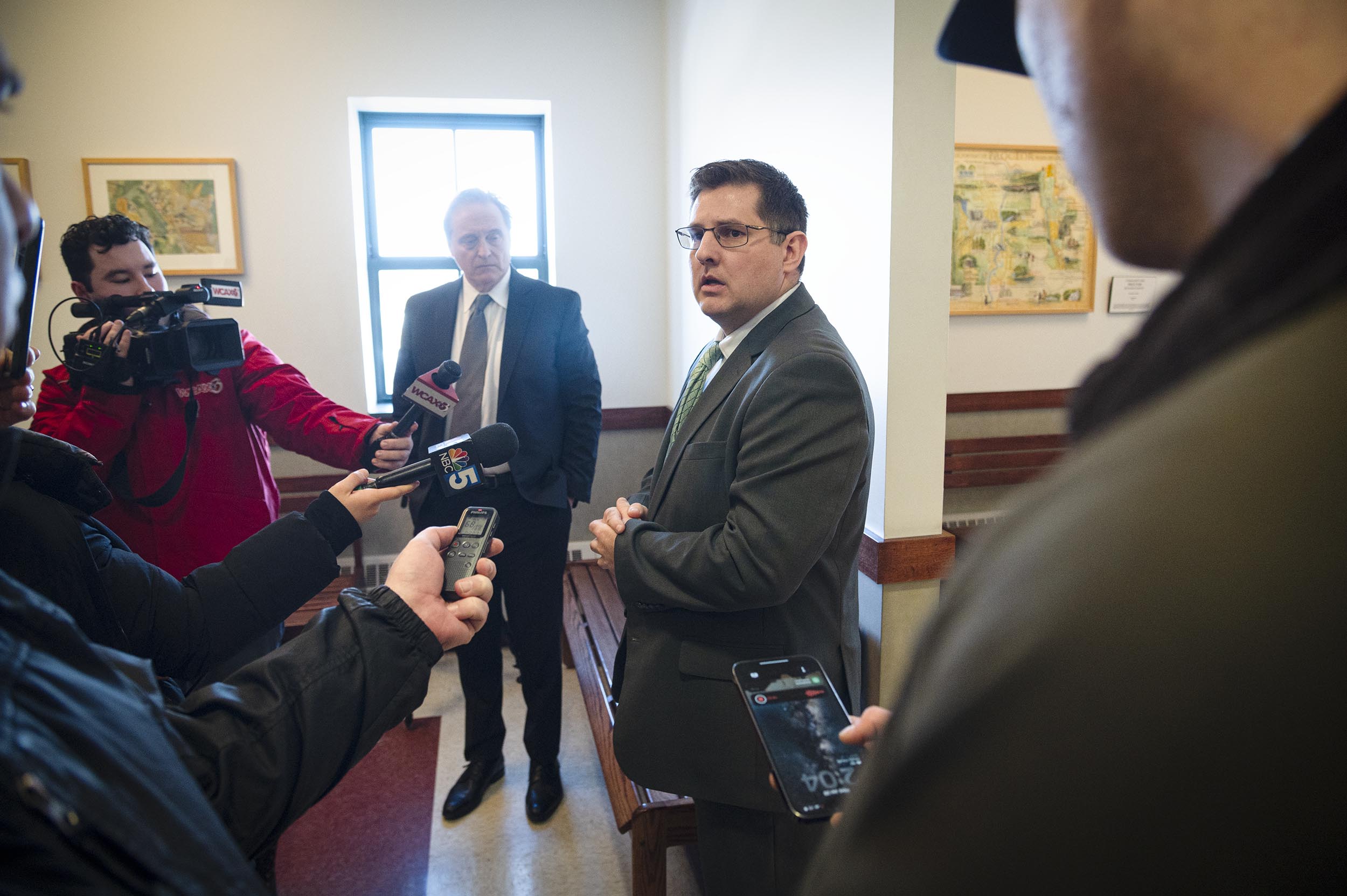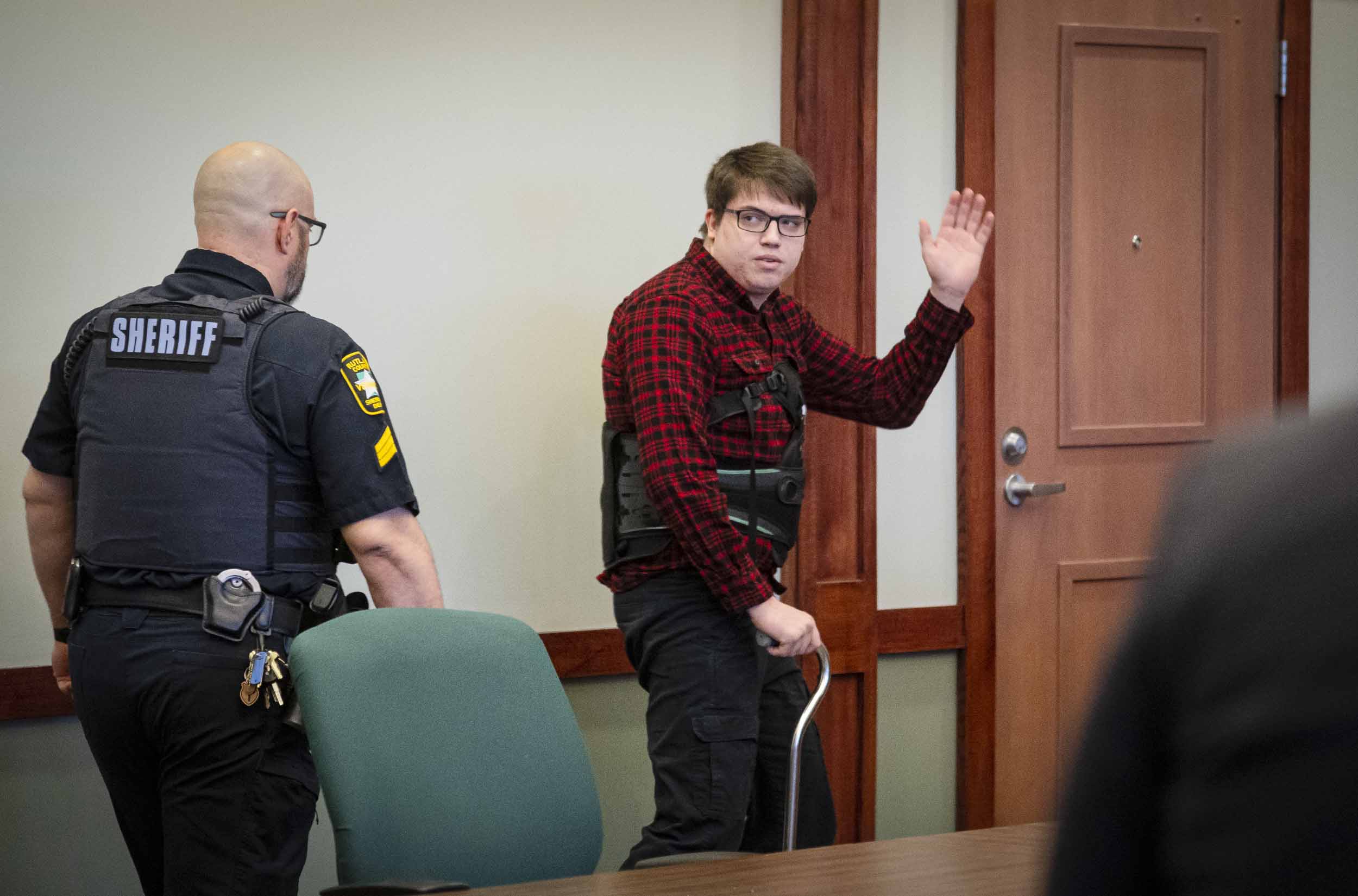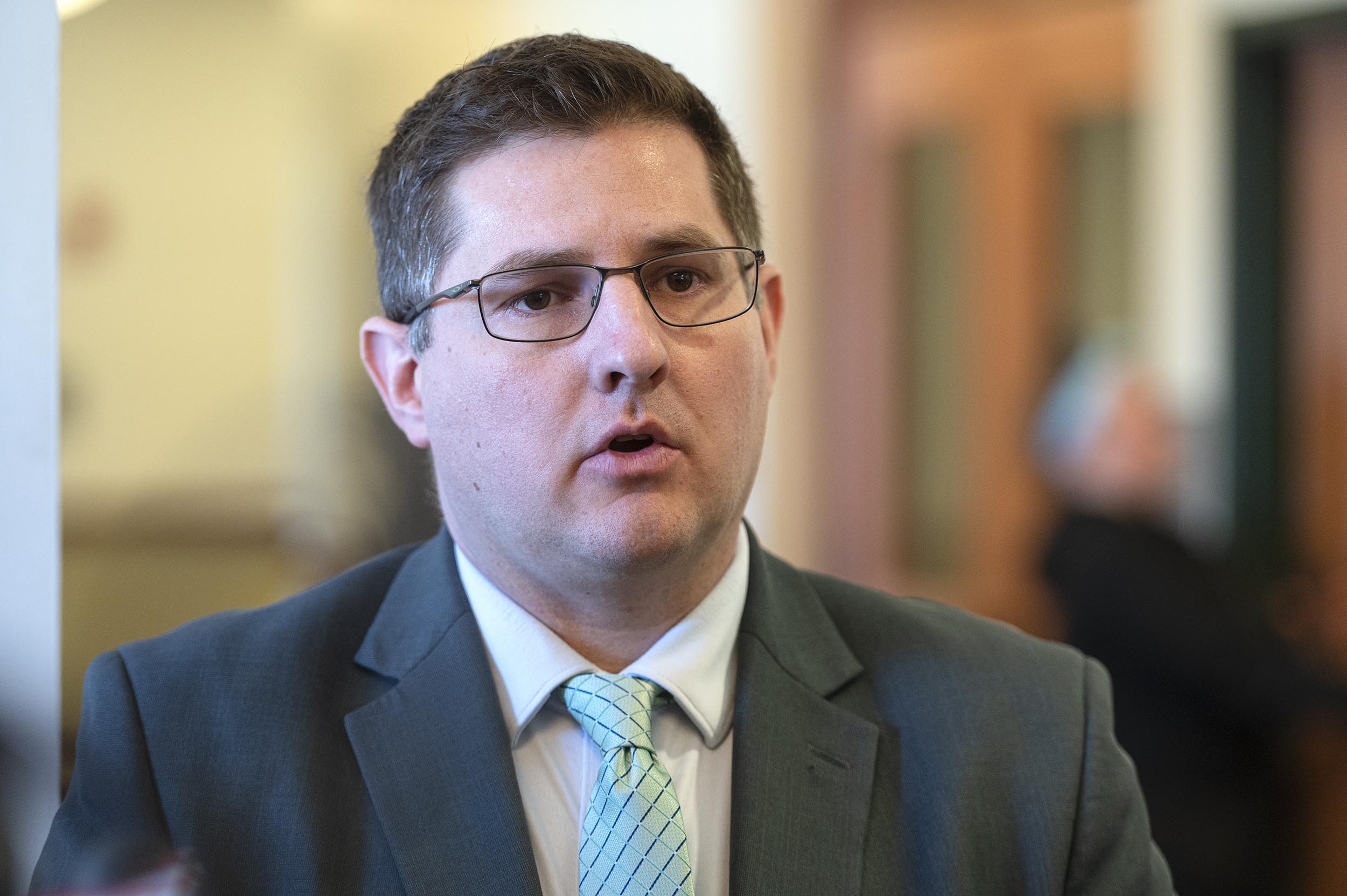
Windsor County Sheriff Ryan Palmer ran a music subscription service through his department’s bank account, bank statements show, one of several unexplained expenses that stopped the moment he was arrested this past January.
Palmer, who moonlights as a DJ under the name DJ RPP, now faces nine felony and misdemeanor charges tied to sexual misconduct. Vermont State Police said the sexual misconduct investigation grew out of earlier complaints about financial irregularities inside the Windsor County Sheriff’s Department. The bank statements, obtained by the Valley News through a public records request, cover Palmer’s entire tenure starting in January 2023.
The most striking pattern isn’t any single charge. It’s the timing. Questionable expenses that ran consistently across two-plus years ended immediately when Palmer was taken into custody, the records show.
Among the clearest examples: the department paid a recurring monthly fee of $17.99 for a service listed on bank statements as “EPIDEMIC SOUND AB STOCKHOLM SE,” a Sweden-based music licensing platform used by content creators and DJs. The charge ran from 2024 into 2025. The department also shows payments for Amazon deliveries, hotels, food and flowers, along with cash and check payments made directly to Palmer himself.
Those payments drew scrutiny well beyond the state police investigation. Vermont requires an independent audit of county sheriff departments every two years. For the period covering July 1, 2024 through June 30, 2025, the accounting firm conducting the audit couldn’t finish its work. In a letter to Palmer in late March, the firm said it ran into “difficulties encountered in performing the audit,” including figures described as “unsupported” or “not traceable to documentation.” More than $500,000 across accounts receivable, capital asset inventory, and payroll balances couldn’t be verified.
That’s not a rounding error.
That’s a half-million dollars that auditors couldn’t trace.
The state police financial investigation is ongoing. Efforts to reach Adam Silverman, spokesperson for Vermont State Police, were unsuccessful last week, though Silverman had said in late March that the investigation continued. Efforts to reach Palmer and his attorney, Daniel Sedon, before publication were also unsuccessful. Palmer posted a statement on Facebook late Wednesday evening, according to VTDigger’s coverage of the story, but the contents were not detailed in the underlying records reviewed for this article. Palmer pleaded not guilty to the sexual misconduct charges in January.
The financial picture matters beyond Palmer personally. Windsor County is a largely rural stretch of Vermont running east from the Green Mountains to the Connecticut River, and the sheriff’s department is the primary law enforcement presence across much of that area. Residents in towns without municipal police departments rely on the department for everything from traffic stops to domestic violence calls. When questions pile up about how a department is spending public money, the communities most dependent on that agency feel the uncertainty first.
The gap between institutional accountability and everyday community need is something those of us who cover public health and rural services see repeatedly. Grafton County, on the New Hampshire side of the Connecticut River, faces similar rural policing pressures, as does much of the Upper Valley region. Public trust in local institutions isn’t abstract. It’s built slowly and lost fast, and for many rural residents, a compromised sheriff’s office isn’t a political story. It’s a safety story.
No criminal charges related to finances have been filed against Palmer as of publication. State investigators have not publicly identified anyone else under scrutiny. The audit letter’s findings have been forwarded to the relevant state offices, and the biennial review process is expected to resume once documentation issues are resolved.
Palmer’s sexual misconduct charges, nine in total, stem from an investigation that Vermont State Police say began after the department received complaints about economic conduct, not the misconduct charges that came later. The two threads of alleged wrongdoing remain legally separate for now, though they share the same source material: a small county office, a sheriff with a side business, and bank statements that tell a story the records weren’t supposed to tell.
Written by
Dartmouth Independent StaffContributing writer at The Dartmouth Independent
View all articles →