Dave Jennings wrote his last letter home at 2:50 in the morning.
It was Dec. 7, 1952, and the 23-year-old first lieutenant was perched on Hill #930 in Korea, scrawling a note to his parents back in Burlington, Vermont. He apologized for the gap in his correspondence. He joked about the cold, describing the hill’s “Stowe-like view” and acknowledging that three straight days of temperatures at or below zero had made life “just a bit uncomfortable.” He thanked his parents for the hand warmer they had mailed as an early birthday gift. He told them to keep the letters coming.
“Even if I’m lucky it doesn’t look like I’ll get out of here before April,” he wrote, “so keep the mail coming — it’s going to be a long winter.”
He signed off with “Loads of love, Dave.”
The next morning was Dec. 8. His birthday. His parents, James and Nadine Jennings, were at their home on North Winooski Avenue when a Western Union employee arrived at the door. The telegram began: “The Secretary of the Army has asked me to express his deep regrets.” Dave had been killed in action earlier that day. His letter, already in transit across the Pacific, arrived after the news of his death.
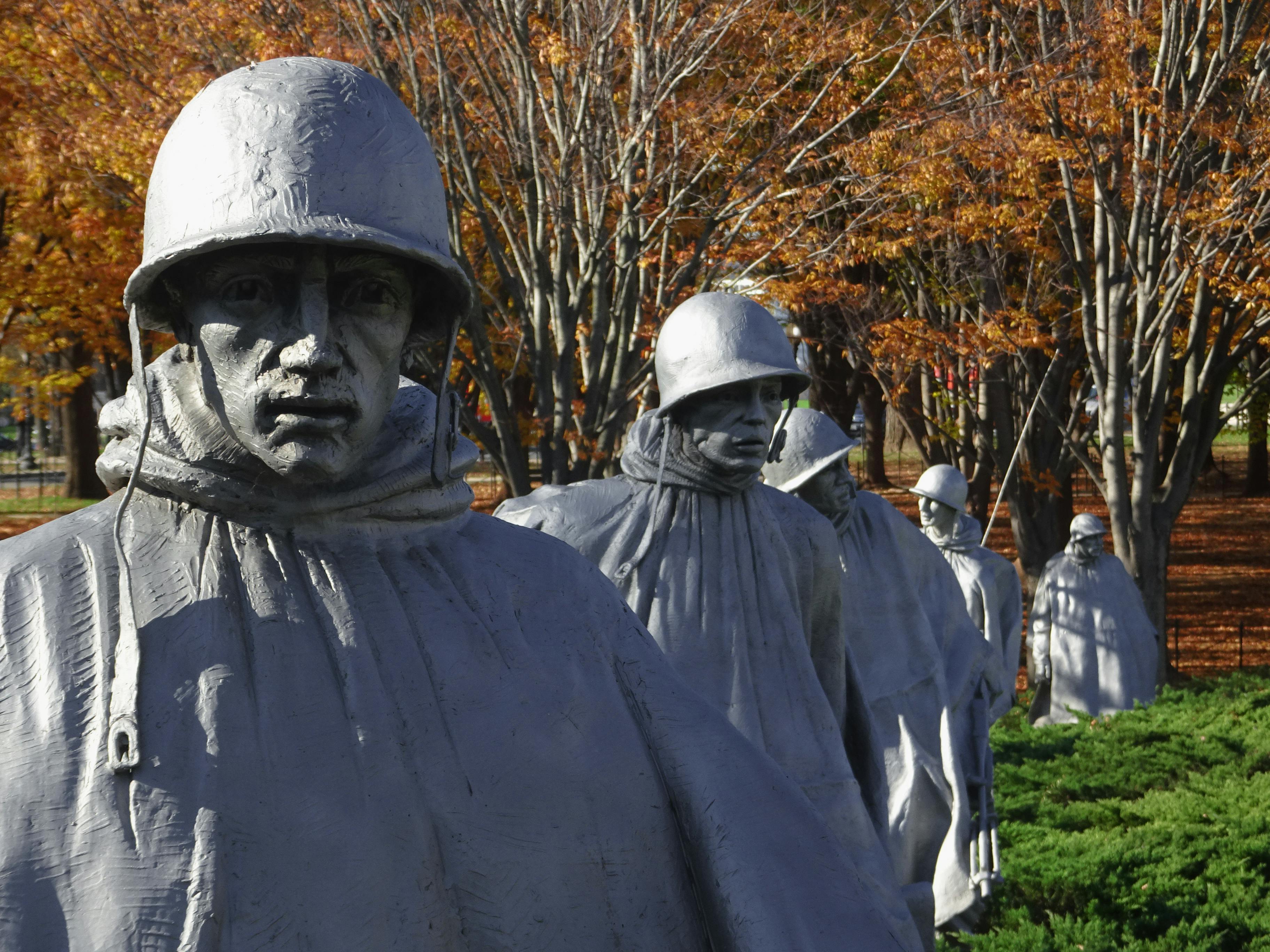
Jennings was one of more than 33,000 Americans killed in the Korean War, among them 92 Vermonters. That statistic is staggering on its own. What makes Jennings’s story linger is the archive he left behind. Dozens of his letters home are preserved at the Silver Special Collections Library at the University of Vermont, and together they form an unusually vivid record of a young man navigating a war that history has often treated as an afterthought.
The letters are full of wit and self-awareness. Jennings knew how to observe. He photographed the men he served with and mailed the prints home, writing their names and nicknames on the back with the easy familiarity of someone cataloging friends rather than soldiers. “Col. Nixon, Tex Ermin, Shorty Kaminski, ‘Be-Bop’ Del Degan, Tex Nelson, ‘Suzie’ Souza, ‘Shaky’ Gordon, and ‘Luigi’ Luiz.” On the back of a photograph showing him operating a field radio, he wrote his own invented call sign: “Junk Shop Fox, this is Junk Shop Fox 3, over.” The humor feels deliberate, a way of holding the war at a slight, manageable distance.
That distance was never very wide. The letters track a soldier who understood his situation clearly and still chose lightness when he could find it. He was not naive. He acknowledged the cold, the uncertainty, the timeline that kept pushing his return further out. He simply refused to let those facts dominate every sentence.
Reading the archive now, in 2026, what stands out is not just the personal detail but the structural clarity those details provide. The Korean War killed more than 36,500 Americans total and ended in an armistice, not a peace treaty, in July 1953. The conflict left the Korean Peninsula divided at roughly the same line where it had started. The political outcome was murky enough that the war spent decades receiving less public attention than the conflicts that preceded and followed it.
Jennings’s letters do not resolve that ambiguity. They do not offer a verdict on the war’s necessity or its costs. What they do is restore a specific human texture to a number that can otherwise feel abstract. Ninety-two Vermonters killed. Thirty-three thousand Americans. Each of those figures was someone writing home at 2:50 in the morning, making jokes about the weather, asking family to keep the mail coming.
The Silver Special Collections Library at UVM holds the letters alongside the telegram. That juxtaposition is its own kind of document. One letter crossed an ocean and arrived too late. The other was delivered to a door in Burlington before his parents had time to prepare.
Dave Jennings turned 23 the morning he died. His last letter home was already on its way.