Around 7:40 Wednesday morning, what started as a reported crash on Dorset Street in South Burlington quickly became something much larger. By midday, roughly 150 protesters had formed a human chain around a small white house, federal immigration agents stood masked in the rear of the property, and local police were managing a street closure stretching toward University Mall.
The sequence began when South Burlington Police received a 911 call about a multi-vehicle crash near the University Mall area. Officers later learned that U.S. Immigration and Customs Enforcement agents had been attempting to take a man into custody on Dorset Street when he fled in a vehicle. ICE vehicles tried to box in the fleeing car, resulting in a crash. The man then left the scene on foot. The South Burlington Police Department confirmed that a separate motorist caught up in the crash was not injured.
According to a South Burlington Police press release, local officers had no prior knowledge of the immigration enforcement activity. They became aware of it only because of the crash investigation. ICE subsequently asked South Burlington police to assist at the scene, citing the growing protest presence. The department’s release was careful to clarify the boundaries of that assistance: officers were there to protect the safety of federal agents and to ensure protesters could demonstrate without interference. The department did not assist with the immigration enforcement action itself.
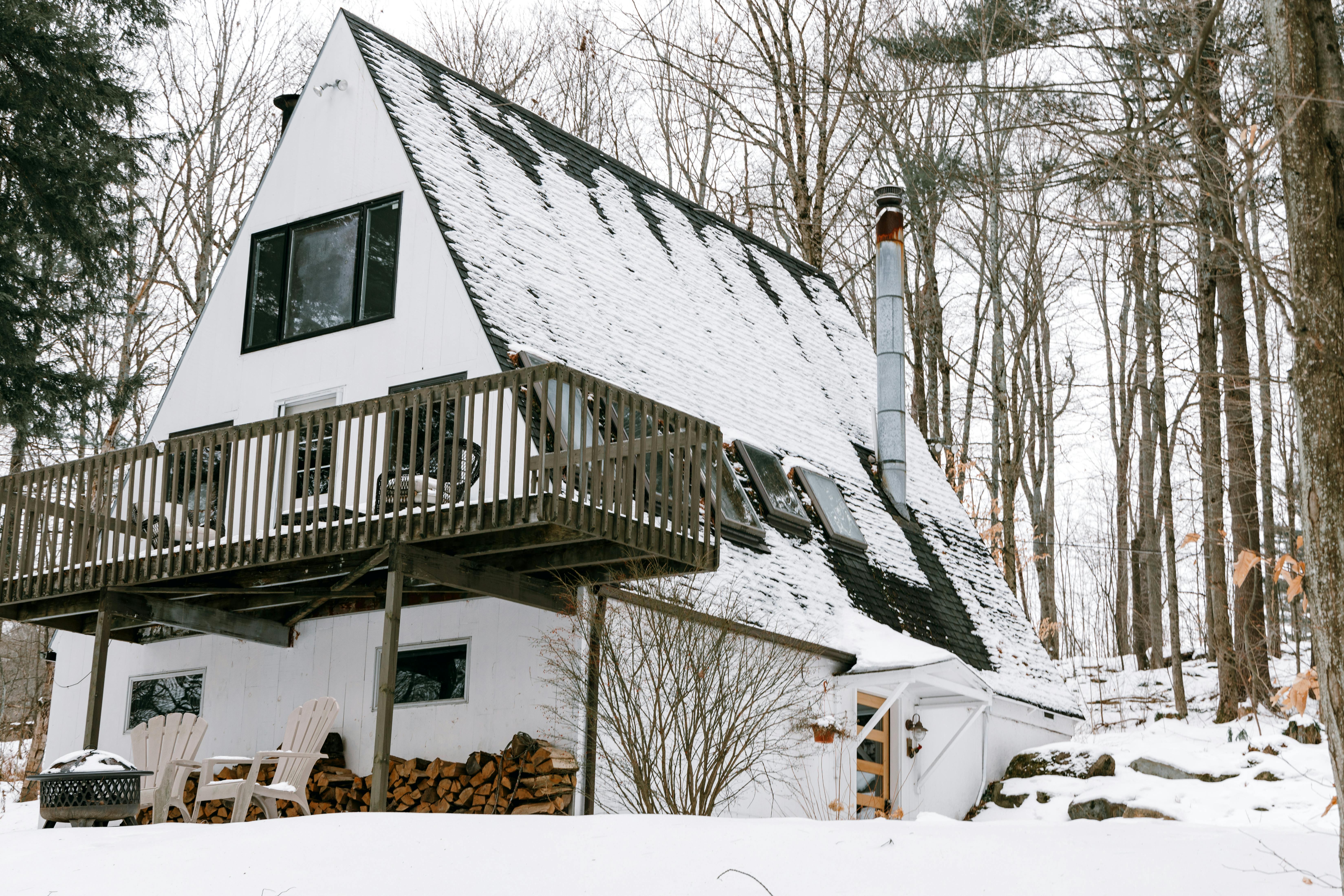
ICE believed the person they were seeking was still inside the Dorset Street home and held a warrant connected to the individual’s immigration status.
What gathered outside that house was striking. About 150 demonstrators, some equipped with gas masks and goggles, encircled the property in a human chain. Protesters set up a makeshift tent near the front of the house, distributing masks and food. Chants of “ICE out” rose from the crowd, punctuated by whistles, while placards bearing the same message lined the ground. Meanwhile, around a dozen federal agents stood at the rear of the property, their faces covered by black cloth masks.
The standoff stretched into the early afternoon. Southbound traffic on Dorset Street was closed at Garden Street and the southern University Mall entrance.
This kind of scene has become more common across Vermont and New England in recent weeks, as federal immigration enforcement has ramped up activity in communities that have long held themselves at a distance from such operations. Vermont’s immigrant communities, many of whom work in dairy farming and other agricultural sectors, have faced growing anxiety. Advocacy networks have been organizing rapid-response systems, training residents on their rights and preparing people to document enforcement actions.
The South Burlington incident reflects a tension that many municipalities are now navigating openly. Local police departments find themselves physically present at federal enforcement actions they were not consulted on, managing both the safety of residents and the demands of federal agents operating in their jurisdictions. South Burlington’s release drew a clear line, but the situation on the ground was less clean. Officers were present. The street was closed. The optics of proximity matter, even when the paperwork draws a distinction.
For the people who showed up Wednesday morning, that distinction may not be enough. The human chain, the shared food, the gas masks worn in a residential neighborhood on a March morning, these are not abstract political gestures. They reflect a real fear that someone inside that house could be taken away, and a belief that showing up in numbers might change that outcome.
Vermont has positioned itself, at various points, as a sanctuary state in spirit if not always in formal legal structure. What Wednesday showed is that spirit being tested block by block, house by house. The protesters who gathered on Dorset Street were not waiting for a policy response. They were standing in the cold, linking arms, and singing.
As of Wednesday afternoon, the situation remained unresolved. The person ICE was seeking had not been located. The crowd had not dispersed. This story, like so many unfolding right now across the country, does not have a clean ending yet.