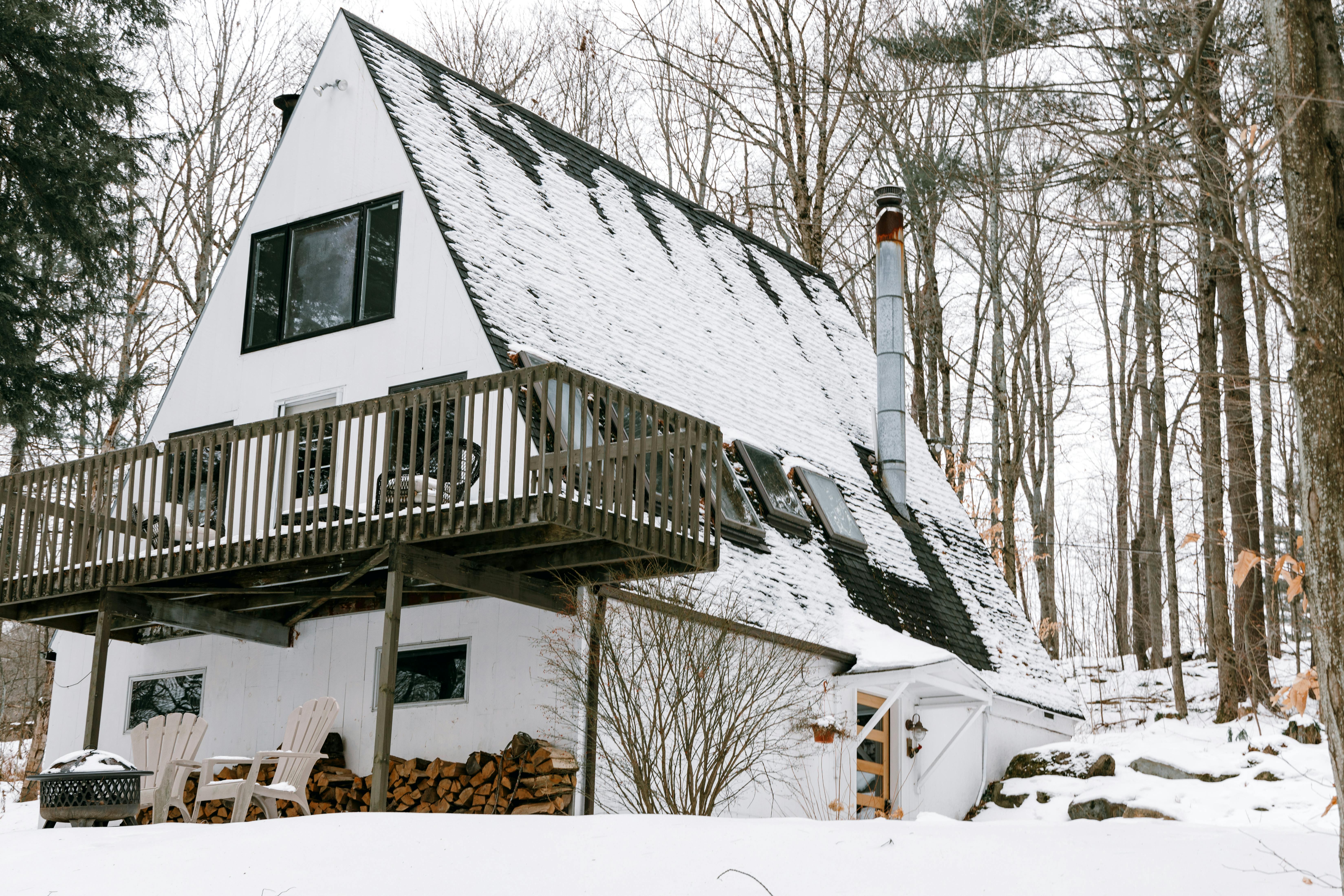
Vermont lawmakers are taking a close look at who gets to buy a home in the Green Mountain State, and whether large institutional investors should have to wait their turn.
The House General and Housing Committee heard testimony Friday on H.607, a bill sponsored by Rep. Emilie Krasnow, D-South Burlington, that would place new restrictions on corporate real estate investors purchasing single-family homes. The bill would require large-scale investors to wait 90 days after a property is listed before they can purchase it, and would eliminate certain tax deductions for those buyers.
The restrictions would apply to a specific subset of buyers: entities that use pooled investment funds, own 10 or more residences, and hold at least $30 million in assets. That threshold is designed to target the biggest players while leaving smaller investors unaffected.
Krasnow has been working on this issue for years. The timing has given her colleagues reason to tease her, given that President Trump and federal lawmakers have recently introduced policies with similar aims. Still, Krasnow told the committee the interest from constituents and fellow lawmakers has been real.
“People have really been excited about starting these conversations,” she said.
Chris Noble, policy director for the nonprofit watchdog Private Equity Stakeholder Project, testified that large corporate investors’ speed and financial resources have consistently overwhelmed individual buyers and renters across the national housing market. Vermont has historically seen one of the lowest shares of single-family homes purchased by corporate investors, but that number is moving in a troubling direction.
Noble cited data from the Private Equity State Risk Index showing that Vermont’s share of homes purchased by medium, large, and mega investors sat at 3.5% between 2018 and 2022. That figure may sound modest, but the rate of growth is among the highest in the country.
“The rate at which their share is growing should concern those who care about housing affordability,” Noble told the committee.
Committee chair Rep. Marc Mihaly, D-Calais, framed the hearing as an early and intentional intervention. “This is the first time this subject has been dealt with here in Vermont directly,” he said to Noble. “We wanted to get into it before it became a significant issue here.”
That kind of proactive framing is notable. Vermont’s housing market has faced serious affordability pressures in recent years, and lawmakers are clearly watching what happens in other states as outside capital flows into residential real estate. H.607 draws from a recent New York law on the subject, giving it a model to work from even as Vermont figures out what fits its own scale.
Rep. Thomas Charlton, R-Chester, raised a key question still unresolved: how to calibrate these regulations appropriately for a small state. Vermont’s real estate market functions very differently from New York’s or California’s, and rules designed for those markets could have unintended effects here.
Mihaly echoed that concern, stressing the importance of not discouraging outside investment entirely. Any policy, he said, should target harmful corporate behavior without broadly chilling economic activity in the state.
For now, H.607 is more conversation-starter than finished legislation. With the first crossover deadline passing Friday, there is little expectation the bill’s specific provisions will become law this session. Krasnow is framing it as a foundation for future policy, a way to get Vermont lawmakers building knowledge and gathering better data before the issue becomes more urgent.
That approach, slow and deliberate, reflects something worth paying attention to. Housing is not just an economic issue. It shapes communities, determines who gets to stay and who gets pushed out, and reflects deeper questions about who a place is for. When large pools of capital compete with first-time buyers and working families for limited housing stock, the results tend to favor whoever has the most money and the fastest response time.
Vermont is not there yet. But lawmakers are watching the trend line, and H.607 signals they would rather act early than scramble later.