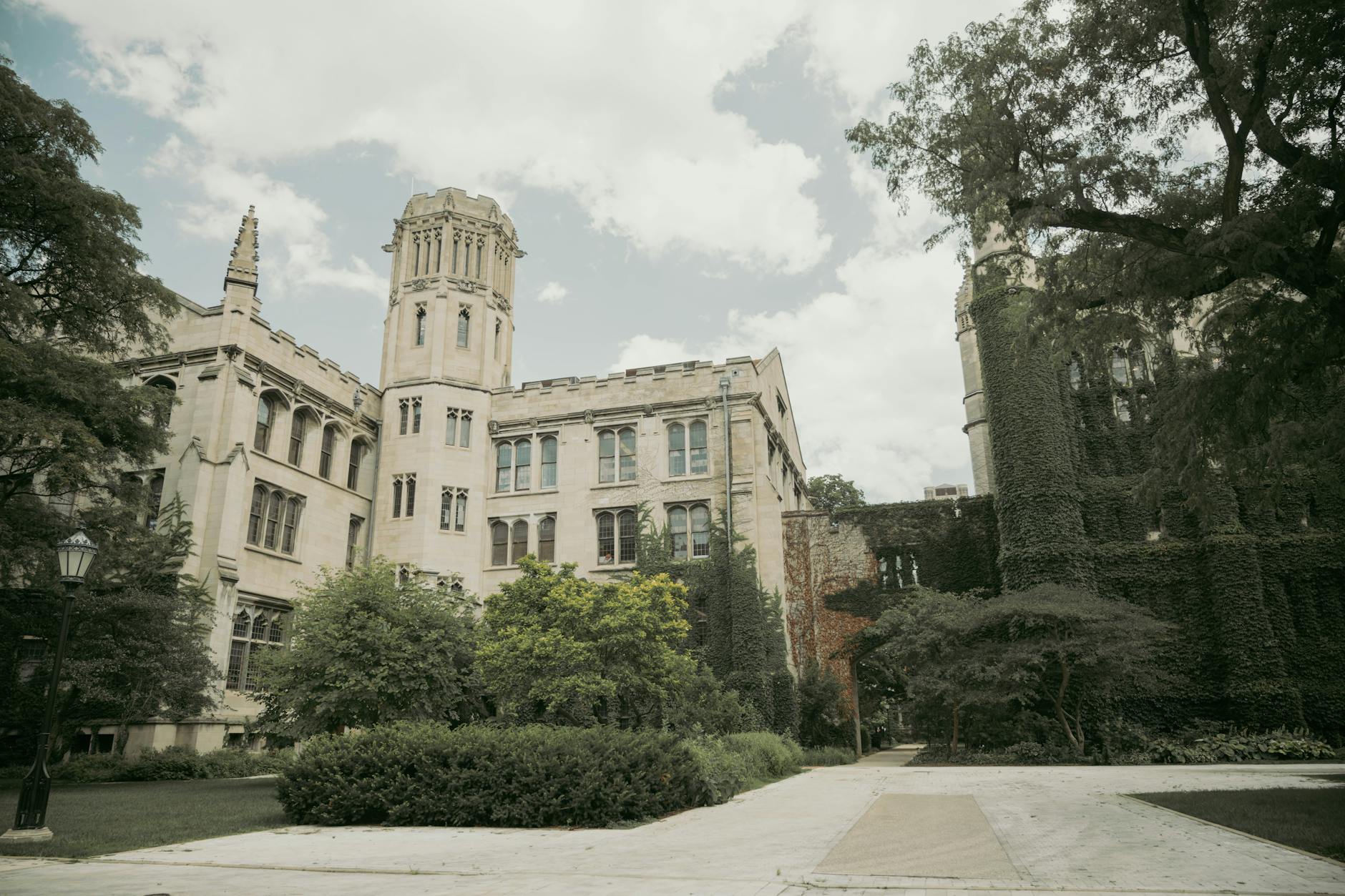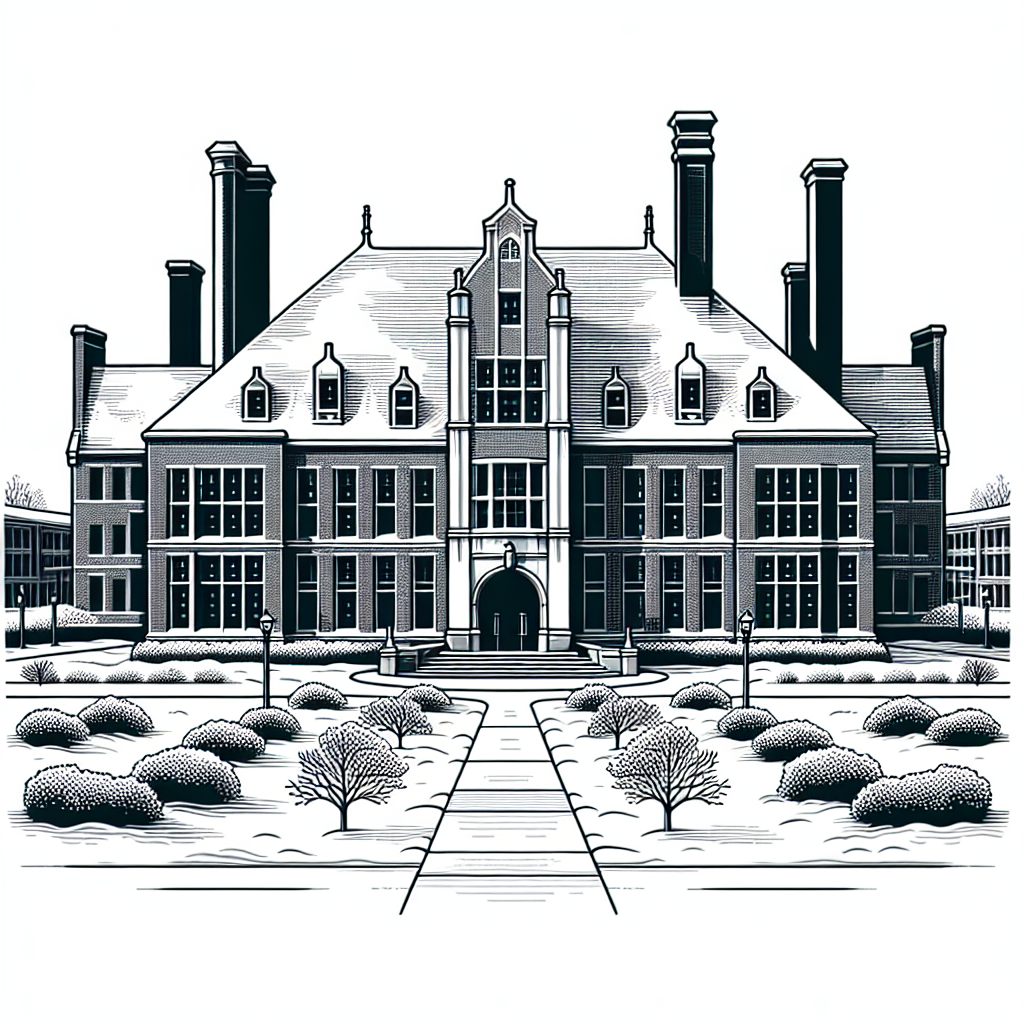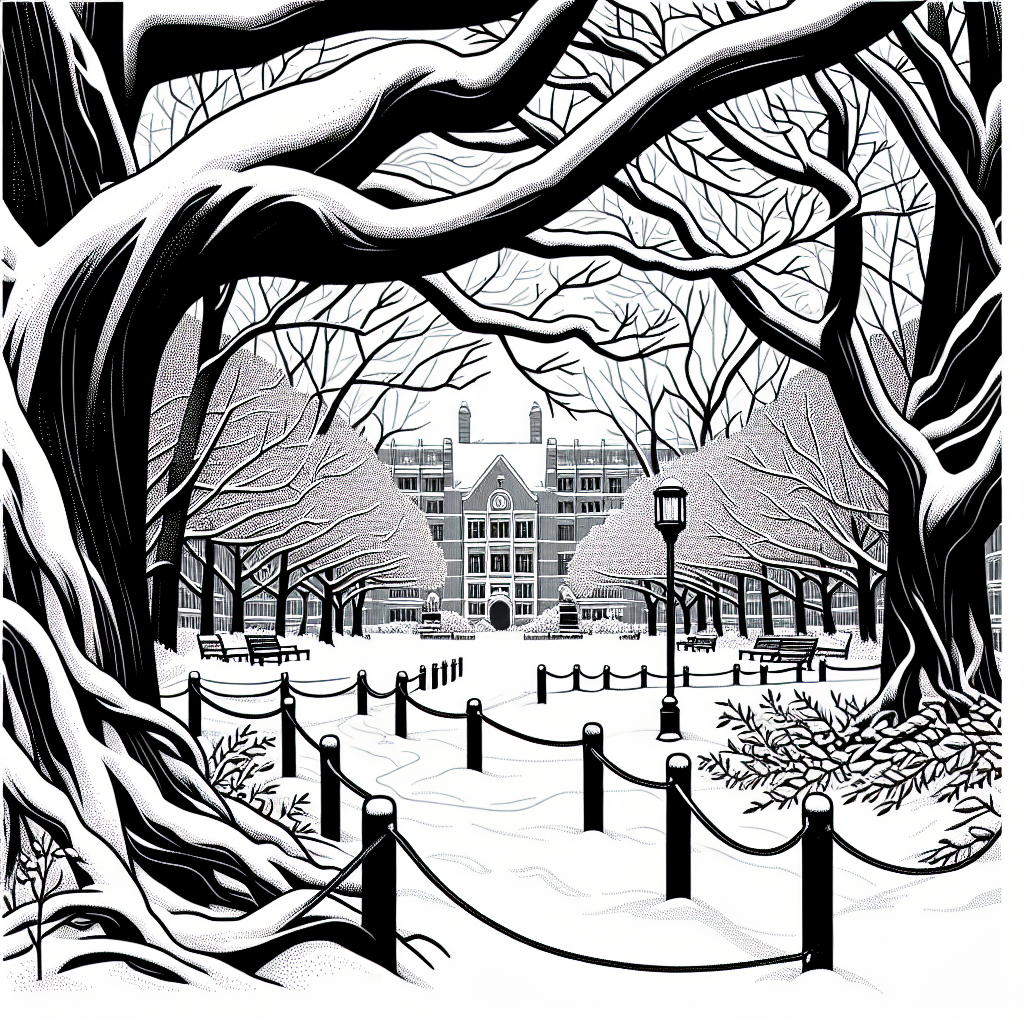
Hanover has been experiencing an unusually cold winter, with average temperatures so far about five degrees colder than the 30-year average, according to Dartmouth geography professor Alexander Reid Gottlieb. Gottlieb said the colder-than-normal start to the season could also slow the Upper Valley’s recovery from last summer’s drought.
The frigid stretch stands out because recent winters have been relatively warm, and because regional climate trends point toward milder cold seasons over time. Faculty members said this year’s temperatures are best understood as a short-term anomaly within a longer-term warming pattern that carries implications for local soil moisture, winter recreation, and industries that depend on consistent cold.
Gottlieb described this winter as “really unusually cold” compared with the past 30 years. He said the early and intense cold has helped freeze the ground more quickly, which can affect how water moves into the soil.
“It’s [gotten] so cold so early, and that ground really froze up,” Gottlieb said. “It’s actually potentially going to prolong the recovery from that drought because you aren’t going to get that same kind of recharge of water making its way down to those lower layers of the soil.”
In an email statement to The Dartmouth, earth sciences professor Erich Osterberg also said this winter has been colder than what many students have recently experienced in Hanover. He wrote that this winter has been “much colder” than recent Decembers, including the “extremely warm” last three winters.
“For seniors who are comparing this winter to their past winters, it’s much colder this year,” Osterberg wrote.
Gottlieb attributed at least some of the cold conditions to shifts in the jet stream, which he described as “bands of strong wind” in the atmosphere that separate cold air from hot air. He said that earlier in December, the jet stream’s configuration contributed to several particularly cold days.
“Particularly earlier in December, we had a couple really, really unusually cold days that were due to that configuration of the jet stream,” Gottlieb said.
At the same time, Gottlieb emphasized that the current cold snap does not negate broader climate patterns. He said the winter’s low temperatures are an “anomaly,” adding that winters in the region have been trending warmer over the past few decades.
“It’s not to say that we can’t get these really cold, snowy winters, like we’re in the middle of now,” Gottlieb said. “But [climate change] just makes those outcomes increasingly unlikely.”
Osterberg, in his statement, pointed to a longer view of temperature change in the state. He wrote that New Hampshire winters have become about seven degrees Fahrenheit warmer than in 1970 because of climate change.
The trend toward warmer winters could have practical effects for the Upper Valley beyond day-to-day comfort, Gottlieb said. He said milder winters may affect the region’s economy by drawing fewer tourists for winter sports. He also said the local forestry industry depends on sustained cold and dependable snow cover.
“You really need good, consistent cold temperatures and a good, thick snowpack to be able to get in the woods and work on those kinds of [forestry] operations,” Gottlieb said.
Osterberg also said warmer winters may redefine what residents think of as normal cold weather in Hanover. According to Osterberg, the trend means that days that once would have been typical cold winter days will become less common.
“The warm winters we had for the past three years are more like what we can expect in the future,” he wrote.
On campus, students have been adapting to the colder conditions in different ways, including by trying winter activities for the first time. Avery Larusso ‘29, who is from Texas, said arriving in Hanover this winter came as a surprise.
“When I got on the plane, it was like 78 degrees, and when I landed, it was something like 12 degrees,” she said.
Larusso said she has enjoyed the winter term and has tried skiing, ice hockey and snowball fighting.
Adriana Martin ‘29, who is from Louisiana, also described the colder weather as an adjustment, particularly when it comes to clothing.
“It was definitely an adjustment” to start wearing multiple layers, Martin said. She added that the snow was “really, really, pretty.”
“It’s really cool to be in this new environment,” Martin said.
While students and residents continue to navigate the cold, Gottlieb and Osterberg both framed this winter as a reminder that the Upper Valley can still experience severe cold even as long-term climate trends point toward warmer winters overall, with potential consequences for soil moisture and regional industries dependent on sustained winter conditions.