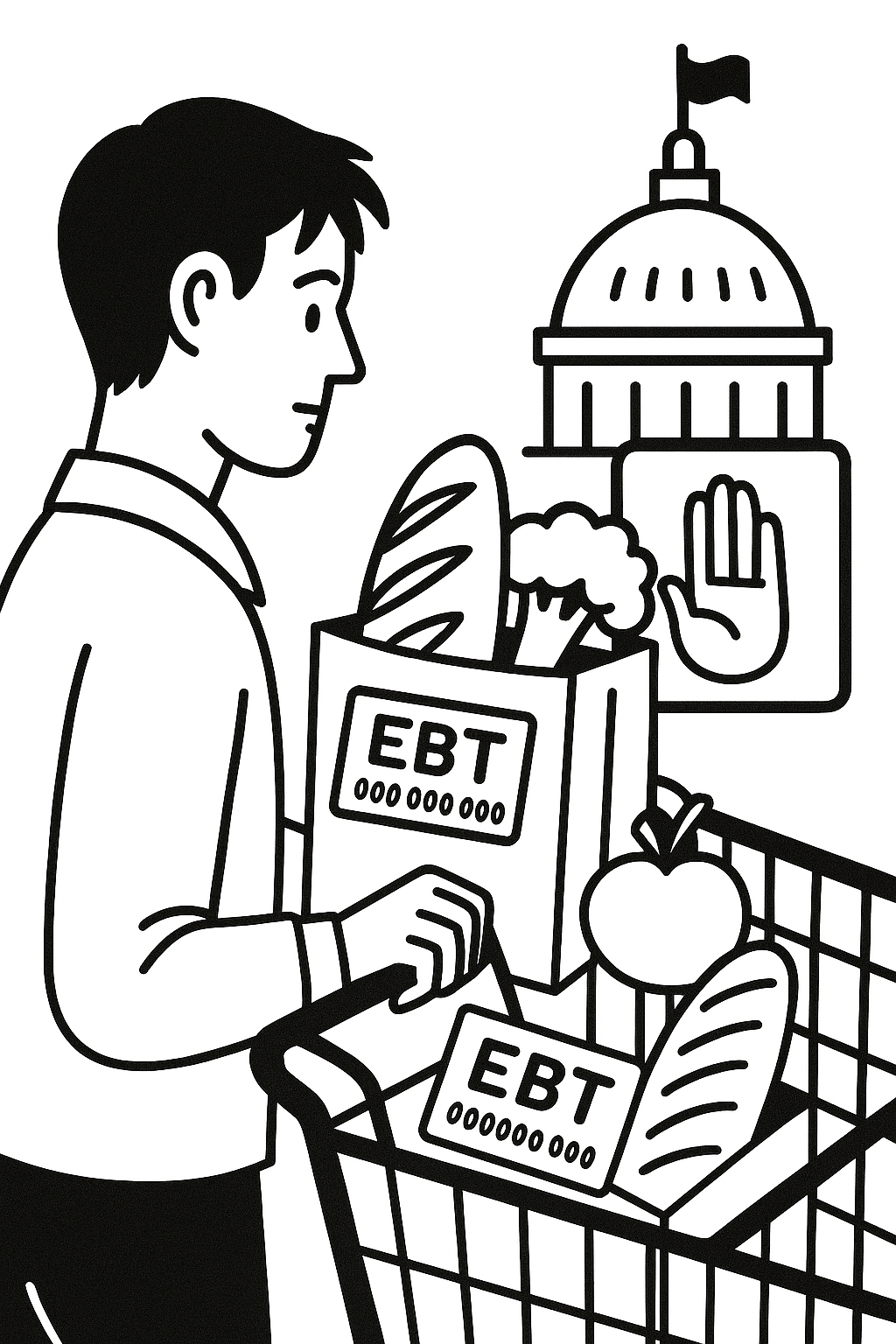
Folks in New Hampshire know what it means to get by with less. We know what it’s like to stretch a dollar, to make a meal out of what’s left in the cupboard, and to keep going even when the road gets rough. That’s why when word came down that a government shutdown might cut off November SNAP benefits, it hit hard. For thousands of families across the state, that monthly deposit isn’t just help, it’s survival.
The federal government’s budget fight isn’t new. It’s the same old tug-of-war in Washington. But this time, the stakes are real for people who don’t have much wiggle room. If Congress doesn’t pass a funding bill, the USDA says SNAP payments could stop cold. That means no money for groceries. No way to feed the kids. No backup plan. Just empty shelves and tough choices.
New Hampshire’s Department of Health and Human Services saw it coming. They didn’t wait around. They put together a plan to front the money if the shutdown goes through. It’s not perfect, and it’s not forever, but it’s something. They’re using state funds to cover November benefits for about 70,000 people. That’s a big lift, and it shows someone’s paying attention.
The move isn’t just about food. It’s about dignity. It’s about saying, “We’ve got you,” when the system falters. For families living paycheck to paycheck, SNAP isn’t a luxury. It’s the difference between dinner and hunger. And when the federal safety net shakes, it’s up to states to hold the line.
There’s no shortage of opinions on SNAP. Some folks say it’s too generous. Others say it’s not enough. But out here, where the winters bite and the jobs don’t always pay, it’s clear that help matters. You can’t tell a kid to wait for Congress to figure things out. You can’t ask a single mom to explain why the fridge is empty because lawmakers couldn’t agree.
The state’s decision didn’t come easy. It means dipping into reserves, shifting priorities, and hoping the shutdown doesn’t drag on. But it’s a choice rooted in reality. The people who rely on SNAP aren’t numbers on a spreadsheet. They’re neighbors. They’re classmates. They’re the folks behind the counter and the ones cleaning the school at night.
This isn’t the first time New Hampshire has had to step in. During past shutdowns, local food pantries saw spikes in demand. Churches opened their doors. Communities rallied. That spirit hasn’t gone away. But the truth is, goodwill can only go so far. You need structure. You need policy. You need leadership that sees beyond the headlines.
The state’s move also sends a message to Washington. It says, “Do your job.” It says, “We’re not waiting while you argue.” It’s a quiet kind of protest, the kind that doesn’t shout but still speaks loud. And it’s backed by action, not just words.
For those on SNAP, November is still uncertain. The state can cover one month, maybe two. After that, it’s anyone’s guess. If the shutdown drags on, the cracks will widen. Food banks will strain. Families will scramble. And the cost of delay will land on the backs of those least able to bear it.
There’s also the question of trust. When the government promises support and then pulls it back, it chips away at faith. It tells people they’re on their own. That’s a dangerous message, especially in places where hope is already thin.
But for now, New Hampshire is doing what it can. It’s stepping in, stepping up, and showing that even in a small state, you can make a big stand. It’s not flashy. It’s not political. It’s just decent.
And maybe that’s the lesson. In a time when everything feels divided, when every issue turns into a fight, there’s still room for simple acts of care. There’s still room to say, “We’ll help,” without asking for applause.
The road ahead isn’t clear. The shutdown might end tomorrow, or it might drag on for weeks. But whatever happens, the people of New Hampshire have shown they won’t sit back and watch their neighbors go hungry. They’ll act. They’ll give. They’ll stand in the gap.
Because that’s what community means. Not just in good times, but when things fall apart. Not just when it’s easy, but when it’s hard. And in that spirit, November might still hold a little hope.