The government shut down at midnight. That’s the news. But here in New Hampshire, it’s not just politics. It’s paychecks. It’s food. It’s heat. It’s the forest and the shipyard and the folks who keep things running. And right now, a lot of them are stuck waiting.
More than 5,000 federal workers live and work in this state. Some are at the Portsmouth Naval Shipyard. Some are at the VA in Manchester. Others work in the White Mountain National Forest, the Berlin prison, or the passport center at Pease. Some are still on the job. They’re called “essential.” But they’re not getting paid. Others are furloughed. That means they’re not working and not getting paid either. Nobody knows how long this will last.
The shutdown hit just as the leaves started turning. That’s a big deal in the North Country. Fall is peak season for hiking, camping, and leaf peeping. The Forest Service says the White Mountain National Forest will stay open. But with fewer staff, things are slower. Trail maintenance, research, and restoration projects are on hold. Some might not come back. Amy Lindholm from the Appalachian Mountain Club says they’ve already lost staff. This shutdown just makes it worse.
It’s not just the woods. It’s the kitchen table. More than 75,000 people in New Hampshire use SNAP, what most folks call food stamps. October benefits are already set to go out. But if the shutdown drags on, November’s help might not show up. That’s a problem. Food insecurity is already high. Over the summer, federal cuts made things worse. Laura Milliken from NH Hunger Solutions says school meals should be safe. But other programs, like Head Start and LIHEAP, could be in trouble if this goes on too long.
LIHEAP helps low-income families pay for heat. That’s not a luxury in New Hampshire. It’s survival. The state says it has enough money to keep LIHEAP going through December. After that, it’s anyone’s guess. Governor Kelly Ayotte says state services should be fine for 30 days. That’s the line. But after that, things could change fast.
The shutdown also hits folks in uniform. The New Hampshire National Guard expects to furlough over 300 civilian employees. About 500 full-time soldiers and airmen still have to report to work. But they won’t be paid. That includes firefighters and air traffic controllers. These are people with families. They’ve got bills like anyone else. And now they’re working for free.
The shutdown started because Congress couldn’t agree on a budget. Both parties had their own plans. Neither got enough votes. So the lights went out. Senators from New Hampshire voted against the Republican proposal. They said it didn’t protect health care. Now they’re calling for compromise. But that’s not much comfort to folks waiting on a paycheck.
Rich Gulla, who leads SEIU 1984, says it plain. Every few months, Congress plays chicken with people’s lives. He’s tired of it. So are a lot of others. This isn’t just politics. It’s real life. And it’s wearing folks down.
The mail still comes. Social Security checks still go out. But that’s about it. Passport services are still running, but slower. National parks might stay open, but with fewer rangers. Trash piles up. Visitor centers close. It’s not the end of the world. But it’s not nothing either.
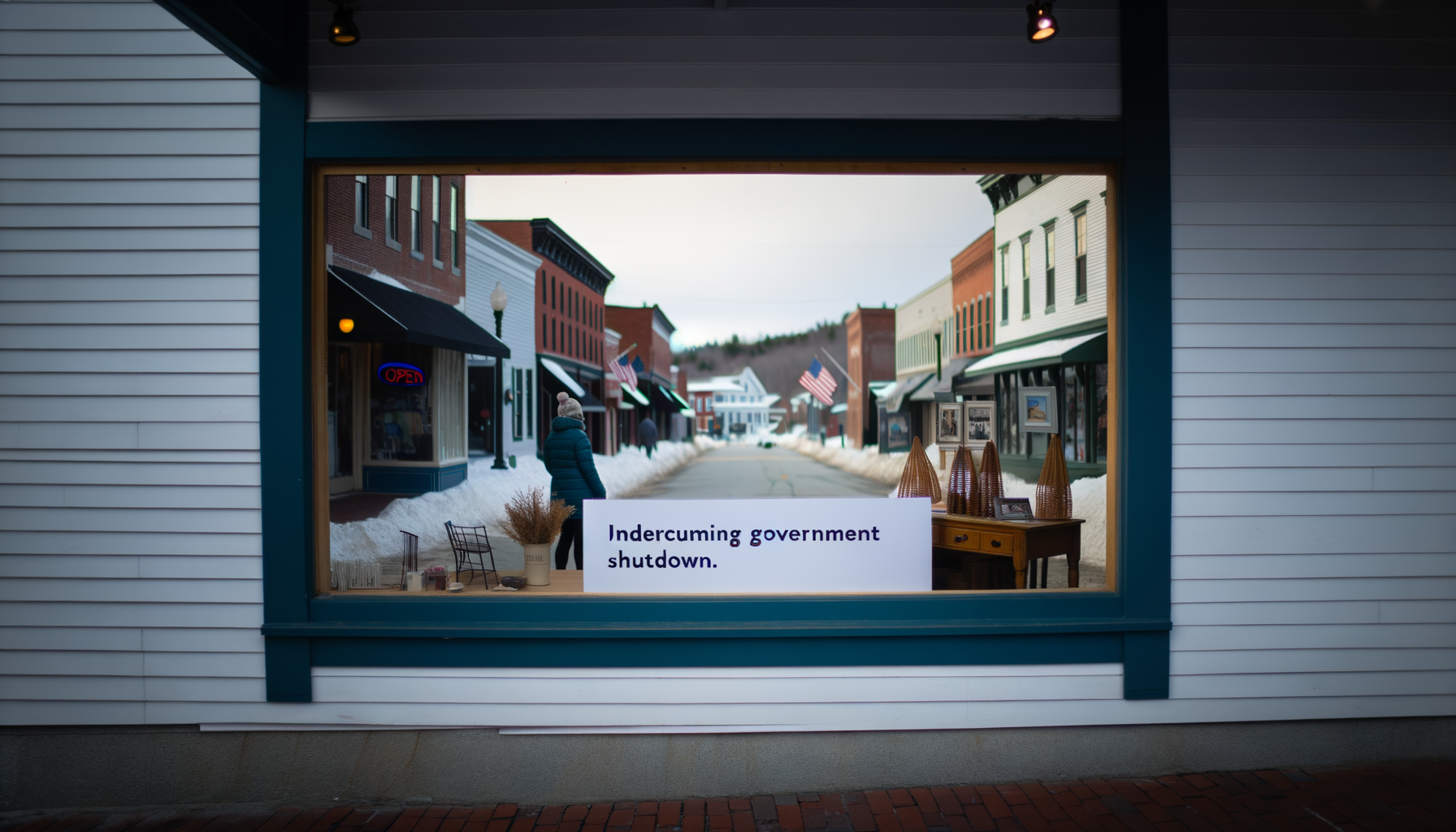
The shutdown hits hardest at the edges. Rural towns. Low-income families. Folks who rely on federal help to get by. It’s not flashy. It’s not loud. But it’s steady. And it hurts.
In Claremont, where I grew up, people don’t talk much about Washington. They talk about work. About heat. About food. About getting through the winter. This shutdown makes that harder. And nobody knows when it’ll end.
So we wait. We hope. We keep going. That’s what folks do here. But it’s getting old. And it’s getting cold. And it’s time for Congress to remember who they’re working for.