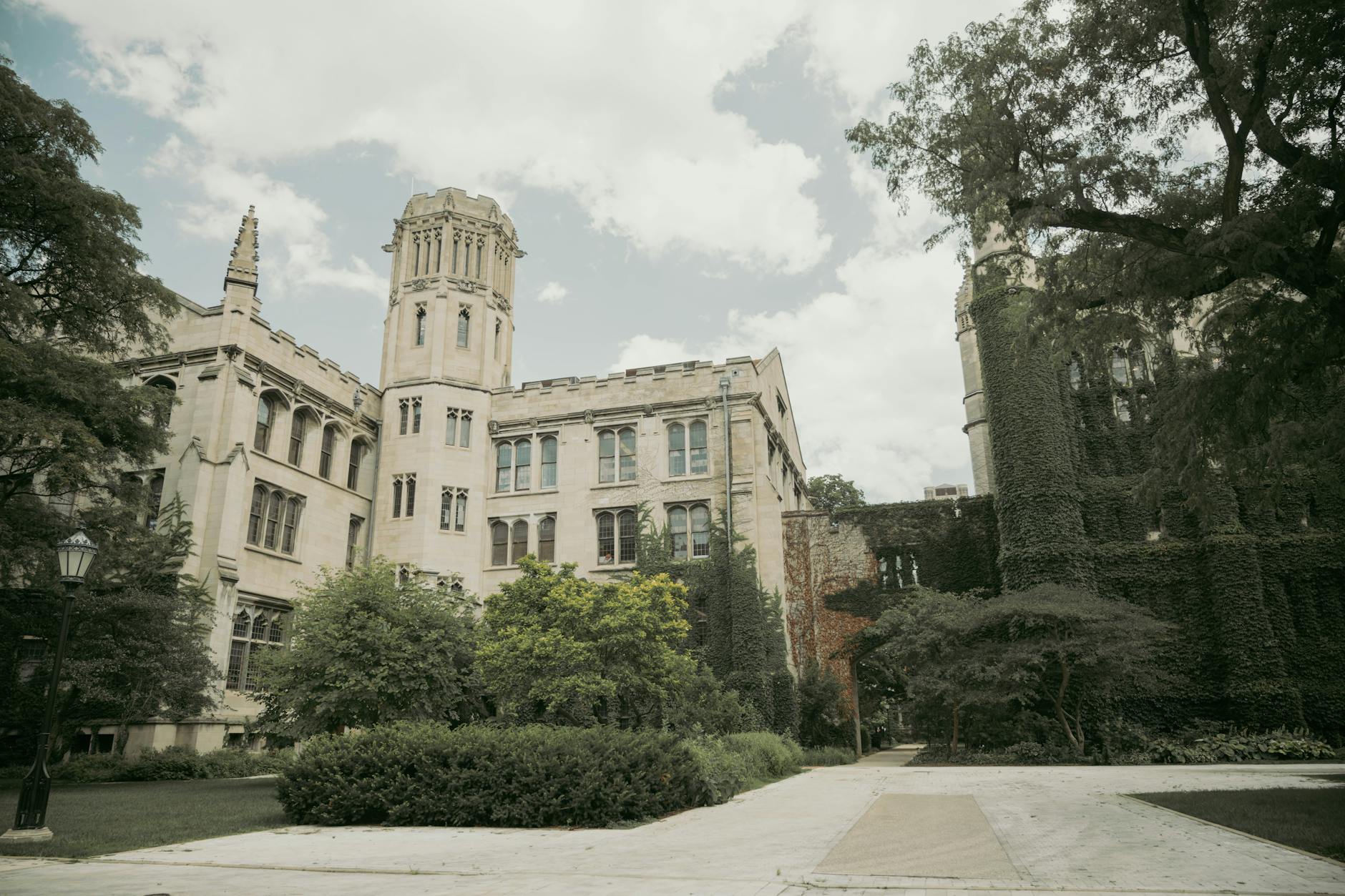
It’s not every day that over five hundred professors at Dartmouth speak with one voice. But that’s what happened this October, when more than half the faculty signed a petition asking President Sian Leah Beilock to reject a federal compact tied to the Trump administration. The deal, pitched as a way to boost funding for research and infrastructure, comes with strings attached. Those strings, according to the petition, would cut into Dartmouth’s ability to govern itself and protect academic freedom. That’s a line many here aren’t willing to cross.
The petition didn’t mince words. It said the compact would “undermine” the College’s independence and open the door to political interference. Faculty from across departments signed on, from physics to philosophy. Some said they’d never seen this kind of unity before. Others said it was long overdue. Either way, the message was clear: don’t trade values for money.
President Beilock responded with a campus-wide email. She said Dartmouth would never compromise its academic freedom or self-governance. She also said the College was still reviewing the compact and hadn’t made a final decision. That didn’t quiet the conversation. If anything, it made folks more curious. What’s in this compact? Why was Dartmouth one of the nine schools asked to sign? And what happens if we say no?
The compact, officially called the “Compact for Academic Excellence in Higher Education,” lays out a set of federal expectations. Schools that sign agree to certain admissions policies, student life rules, and curriculum standards. In return, they get priority access to federal grants and partnerships. Critics say it’s a backdoor way to control what colleges teach and who they admit. Supporters argue it’s a way to make sure taxpayer money goes to schools that meet national goals.
At Dartmouth, the debate isn’t just about policy. It’s about identity. This is a place that prides itself on independence. Faculty govern their own departments. Students shape campus life. Decisions are made locally, not handed down from Washington. That’s part of what makes Dartmouth, well, Dartmouth. So when a deal comes along that could change that, people pay attention.
Some faculty members say the compact reminds them of past efforts to tie funding to political agendas. They point to history, McCarthy-era loyalty oaths, post-9/11 surveillance programs, and other moments when higher education came under pressure. They worry this compact could be another chapter in that story. Others are more focused on the present. They say the compact’s language is vague and open to interpretation. That’s risky, especially when federal officials have the final say.
Students have started asking questions too. At a recent Dartmouth Student Government meeting, campus leaders discussed the compact and what it could mean. Some students said they were worried about changes to admissions and student life. Others asked whether the College could afford to turn down federal money. The conversation was lively, and it’s not over yet.
Jennifer Rosales, Senior Vice President for Community and Campus Life, spoke at that meeting. She said parts of the compact “may go against” Dartmouth’s current policies and mission. She also said President Beilock was committed to defending the College’s independence. That’s in line with what Beilock wrote in her email. But it’s still not a final answer.
Outside Dartmouth, other schools are facing the same decision. The University of Virginia and the University of Arizona have already voted to reject the compact. Faculty unions at several colleges have issued statements against it. So far, no school has publicly agreed to sign. That puts Dartmouth in a spotlight. What we do next could set a precedent.
Back in Claremont, where I grew up, folks don’t talk much about higher ed policy. But they do care about fairness and freedom. They know that once you give up control, it’s hard to get it back. That’s what this fight feels like. It’s not just about Dartmouth. It’s about who gets to decide what a college stands for.
For now, the petition sits on President Beilock’s desk. It’s got 569 names on it. That’s more than half the faculty. It’s a strong signal, but it’s not binding. The final call belongs to the administration. Whatever they decide, it’ll shape Dartmouth’s future. And maybe, just maybe, it’ll remind folks that even in quiet corners of New Hampshire, people still stand up for what matters.