Dartmouth Engineering researchers have created a simple, affordable tool that uses a cell phone camera to measure tissue oxygen levels, offering a potentially superior alternative to traditional blood oxygen monitoring for detecting disease and guiding treatment decisions.
The innovative system combines a regular smartphone camera with a pulsed LED light and topical activation cream to monitor cellular oxygen levels over time, according to a study published in Biosensors and Bioelectronics. The research team includes Brian Pogue, Dartmouth’s Robert A. Pritzker Professor of Biomedical Engineering, first author Protik Chandra Biswas, a Dartmouth research associate, and co-author Jason Gunn, manager of Pogue’s lab.
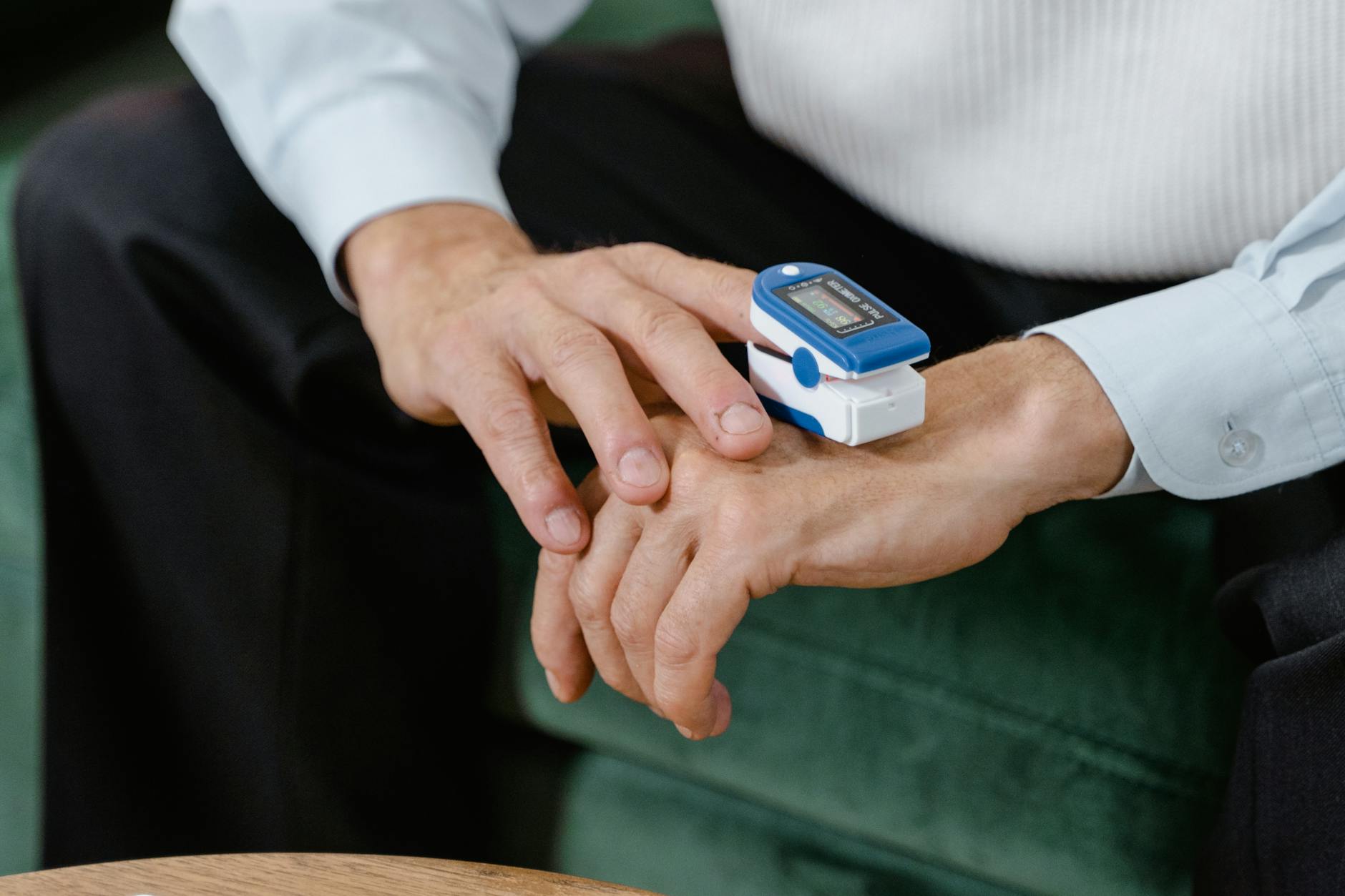
“The pulse oximeters used in emergency rooms, ambulances, and home care effectively measure blood oxygen, but that actually doesn’t change much until you’re basically near death,” Pogue said. “What we really want is not the blood oxygen, but the tissue oxygen. That’s a much more subtle indicator of tissue function and a better dynamic indicator of health.”
The tool works by stimulating production of Protoporphyrin IX, a naturally-occurring molecule found inside all living cells that serves as an oxygen reporter. The activation cream triggers this molecule, which Pogue explained “has a useful quirk that when activated, it’s quenched by oxygen, and when it’s not quenched by oxygen, it emits a tiny light signal. That’s what our measurement tool is picking up.”
Current methods for measuring tissue oxygen require expensive camera systems and additional sensors that must be attached or injected in hospital settings, according to the researchers. The new approach offers significant cost advantages while maintaining accuracy.
The technology could prove particularly valuable for monitoring peripheral vascular diseases, where doctors rely on tissue oxygen sensing to determine when to perform vascular surgery or limb amputation. These procedures carry high costs and morbidity rates, making accurate monitoring crucial for patient outcomes.
“So for somebody who has limb atrophy, the ability to use a cell phone for day-to-day monitoring of tissue oxygen has a lot of value for making major health decisions,” Pogue said.
For wound healing and infection monitoring, the system becomes even simpler because it eliminates the need for activation cream. “Any inflammatory response in tissue already increases production of Protoporphyrin IX,” Pogue explained. “It’s the trend over time that matters.” Healthy inflammatory responses maintain tissue oxygenation during repair, followed by decreased Protoporphyrin IX levels as inflammation subsides.
The research team is expanding testing to explore additional applications, including infection severity classification and other tissue function assessments. They have begun collaborating with a burn care surgeon in Wisconsin who is monitoring patients using Protoporphyrin IX levels and oxygen in burned tissue to determine optimal timing for skin grafts.
The tool’s simplicity makes it particularly valuable for extended monitoring periods. “That’s when expensive camera systems don’t make a lot of sense,” Pogue noted.
To enhance user accessibility, the researchers have enlisted Dartmouth undergraduate students Charlie Sober ‘29 and Yigithan Akkus ‘29, both participants in the First-Year Research in Engineering Experience (FYREE) program, to help design a user-friendly mobile application for the tool.
While the concept of using cell phones for time-sequenced medical measurements exists, “nobody has used them for tissue oxygen before,” according to Pogue. The team successfully combined smartphone technology with the naturally existing oxygen reporter molecule to create this novel monitoring system.
The development represents a significant advancement in accessible medical monitoring technology, potentially enabling patients and healthcare providers to track tissue health with equipment as simple as a smartphone, LED light, and topical cream.