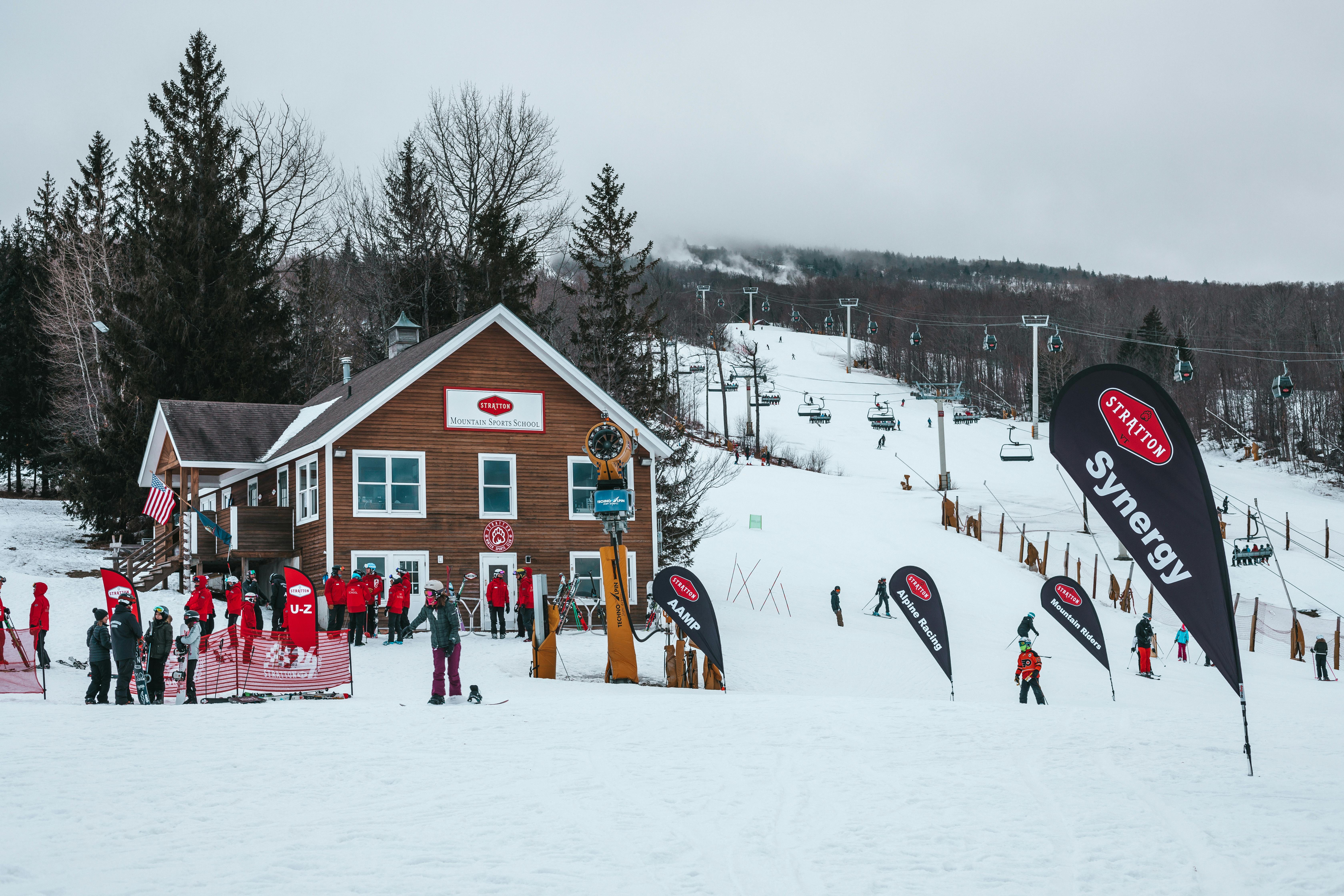
Casey Jennings runs a ski lift at Okemo Mountain Resort, and taking a bathroom break is not simple. To step away from his post, he has to slow the lift down, leaving guests stranded in the cold while he scrambles to find someone to cover him. It is a small indignity that points to something much larger: Vermont’s ski lift workers, essential to one of the state’s most profitable industries, lack basic protections from extreme weather conditions on the job.
This is not a new problem. It is a long-standing one, and the machinery meant to fix it, both legislative and regulatory, has moved at a crawl.
A bill called the Extreme Weather Worker Protection Act was introduced last year and could provide meaningful relief to workers like Jennings. But lawmakers say it is uncertain whether the measure will pass before the end of the biennium. That uncertainty leaves workers in the cold, sometimes literally. Ski resort workers in Vermont have filed 18 complaints about working conditions to the Vermont Occupational Safety and Health Administration over the last six years. Only one resulted in a citation. Roughly two-thirds of those complaints went no further than a letter of inquiry from the agency, according to records obtained by VTDigger.
The conditions workers described in those complaints are stark. One anonymous employee at Okemo during the winter of 2025 alleged that a fellow worker was injured while stationed alone at a fixed-grip lift. Another complaint described an employee left alone at a lift without breaks and told to use the woods as a bathroom. A third complaint captured what life at the bottom of a ski run can actually look like for the people keeping it running: “We can’t leave the lift running with just one person or no person (I’ve been alone running the lift several times, it’s dangerous). We’re resorting to things like peeing in soda bottles in the engine room.”
These are not abstract grievances. They describe dangerous, dehumanizing conditions in a workplace that generates enormous revenue for Vermont’s economy and tourism industry.
So why has so little changed? VOSHA program manager Anna Hill offered a candid explanation. The agency does not have regulatory authority to mandate specifics around breaks, staffing, or workplace temperatures unless the situation poses the risk of serious injury or death. The federal OSHA has a cold stress guide but leans on a general duty clause rather than specific enforceable standards. That gap in regulatory power means workers have few avenues for meaningful recourse, even when their complaints are well-documented.
Curtis Clough, president of the Vermont Teamsters union and an advocate for the proposed legislation, framed the issue plainly. “Workers deserve to be protected from dangerous heat and cold conditions during their work day,” he said. “Especially, this key industry can afford to do that.”
That last point matters. Vermont’s ski resorts have reported strong seasons. The mountain resort industry is not struggling. The argument that protecting workers would impose an impossible financial burden does not hold up against the profit margins these operations generate. A worker standing outside in subzero wind chills for hours, without an assured break or a reliable colleague to cover them, is not a side effect of a tough business. It is a policy choice.
The cultural story of ski culture in the United States tends to center the skier. The lift ride is a transition, a moment of anticipation before the descent. The person running that lift, the one standing in the same spot in brutal conditions for hours on end, barely enters the frame of that story. But labor is embedded in every leisure experience, and ignoring it does not make it disappear. It just keeps it invisible.
Vermont has a chance to make that labor visible through the Extreme Weather Worker Protection Act, if lawmakers find the will to push it through before the session ends. Regulators need clearer authority and a stronger mandate to act on worker complaints. Eighteen complaints producing one citation is not enforcement. It is a paper trail.
The resorts are doing fine. The workers running them deserve better than soda bottles and borrowed woods.