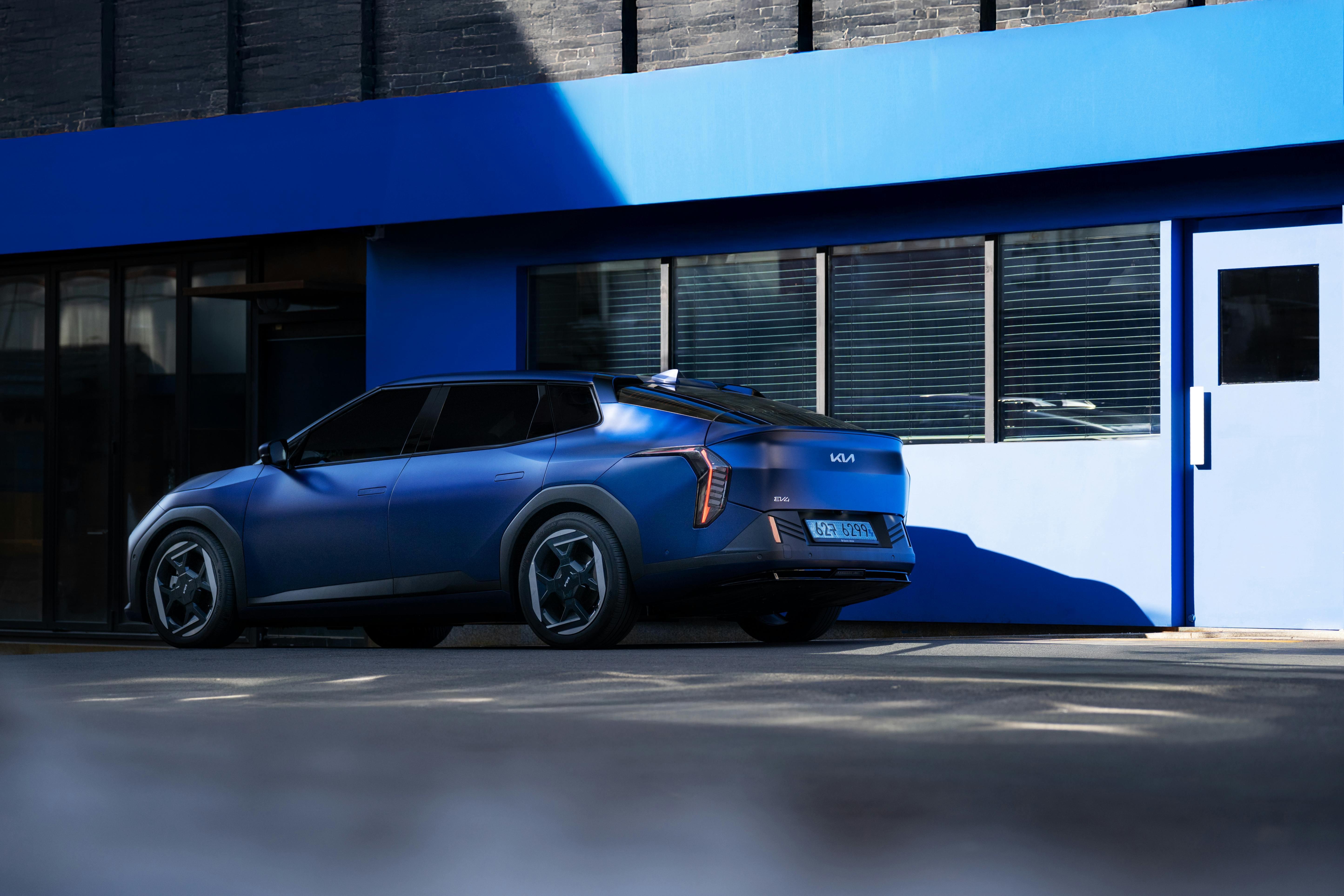
Vermont lawmakers are moving closer to charging electric vehicle drivers a mileage-based fee, a proposal that would shift how the state collects money from EV owners to help fund crumbling road and bridge projects across the region.
The measure, contained in H.944, would assess EV owners and lessees 1.4 cents per mile driven each year. Under the bill’s structure, an odometer reading would be captured during a vehicle’s annual inspection and reported to the state Department of Motor Vehicles. The DMV would then calculate what each driver owes and send a bill by mail or online. Drivers could pay the full amount at once or spread payments across monthly or quarterly installments.
The proposal cleared Vermont’s House tax and budget-writing committees this week and could reach the full House floor as soon as next Wednesday.
For Upper Valley residents who rely on electric vehicles to navigate rural roads and longer commutes, the new fee would likely represent a noticeable change. The Legislature’s Joint Fiscal Office estimates the average Vermont EV driver would owe about $154 annually, based on 11,000 miles driven per year. That figure comes directly from a University of Vermont study published in February, which provided the research basis for setting the per-mile rate.
Vermont’s Agency of Transportation has been developing a framework for this kind of fee since 2023. The push to finalize it now stems from a genuine funding gap. The state’s Transportation Fund relies heavily on gasoline tax revenue, but as more drivers switch to electric vehicles, that revenue stream has thinned. The shortfall has already forced the transportation agency to cut dozens of staff positions and raises the risk of leaving federal infrastructure dollars unclaimed.
Supporters, including Governor Phil Scott’s administration, argue the fee is fundamentally about fairness. Gasoline drivers pay taxes at the pump with every fill-up, money that flows directly into road maintenance. EV drivers, despite using the same roads, currently contribute far less to that system. The bill frames the mileage fee as a way to close that gap without singling out electric vehicle owners unfairly.
The bill also carries bipartisan backing in the House committees, a sign that concerns about transportation funding cut across party lines.
If passed, EV drivers would not see the new fee right away. Under the current bill language, the first mileage assessment would cover miles driven between a driver’s two annual inspections after January 1, 2027. That means the state would not begin collecting revenue until fiscal year 2028, which runs from July 2027 through June 2028. Projected revenue for that first collection period falls between $350,000 and $1 million. By the following year, the Joint Fiscal Office estimates collections could reach around $2.5 million. All proceeds would go directly into the Transportation Fund.
One important detail for drivers: the new mileage-based fee would replace the current $89 flat fee that EV owners began paying under a law passed in 2024, tacked on top of standard vehicle registration costs. Owners of plug-in hybrid vehicles, which still use internal combustion engines, would not be affected by the change.
For communities in the Upper Valley and across rural Vermont, transportation infrastructure is not an abstract policy concern. Roads that go unrepaired through harsh winters become genuinely dangerous. Bridges that get deferred year after year eventually close. When state funding falls short and federal matches slip away because the state cannot meet its share, rural towns tend to feel that first and longest.
This fee would not solve all of Vermont’s transportation funding challenges, but it does represent an honest attempt to adapt the funding model to reflect how people actually drive now, rather than how they drove a decade ago. Whether lawmakers finalize the details before the session ends will determine whether the state can actually start closing the gap.