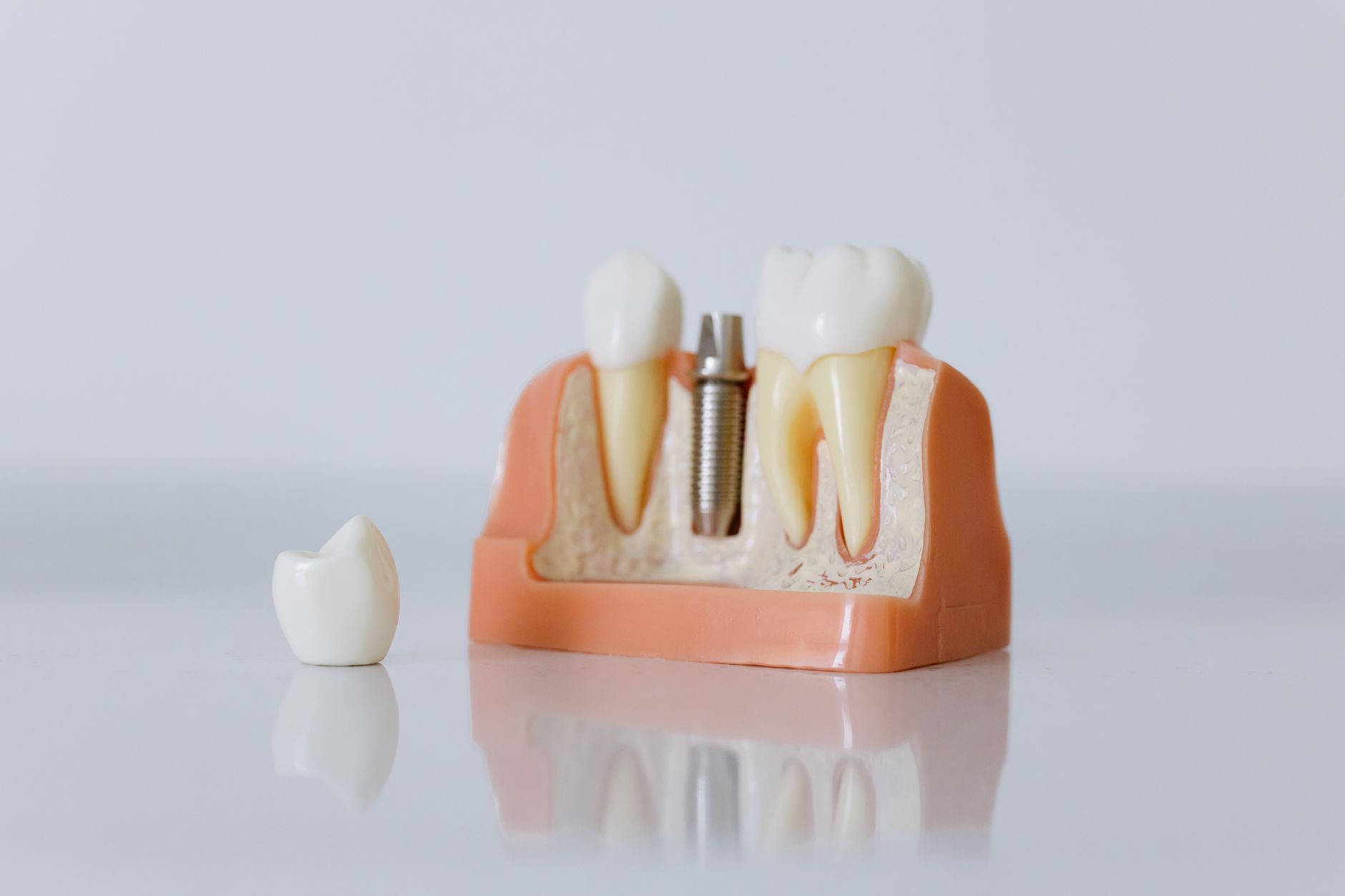
The device, created by researchers at Thayer School of Engineering, addresses a major challenge in neurosurgery: how to access the brain without permanently weakening the skull’s protective barrier.
“Traditional implants create permanent weak spots in the skull,” said Dr. Sarah Chen, lead researcher on the project. “Our approach actually strengthens the bone around the implant site.”
The implant uses bioactive materials that stimulate natural bone formation while maintaining electronic functionality for neural monitoring or stimulation. Laboratory tests showed the device promoted bone density increases of up to 40% in surrounding tissue over six months.
Researchers at Dartmouth-Hitchcock Medical Center plan to begin clinical trials next year, pending FDA approval. The collaboration brings together Thayer’s engineering expertise with DHMC’s neurosurgical experience.
The breakthrough could benefit patients with epilepsy, Parkinson’s disease, and other neurological conditions requiring long-term brain implants. Current devices often require multiple surgeries as surrounding bone weakens over time.
“We’re seeing real potential to reduce surgical complications and improve patient outcomes,” said Dr. Michael Torres, a neurosurgeon at DHMC who consulted on the project.
The research team includes PhD Innovation Fellow Jonathan Walsh, whose work focuses on biocompatible electronics. Walsh said the implant’s dual function of monitoring brain activity while promoting bone health represents a significant advance in neural engineering.
Funding for the project came from the National Institutes of Health and Dartmouth’s Innovation and Discovery Fund. The team has filed for three patents related to the technology.
Next steps include miniaturizing the device and testing its long-term stability in biological environments. Researchers hope to begin human trials by late 2026.