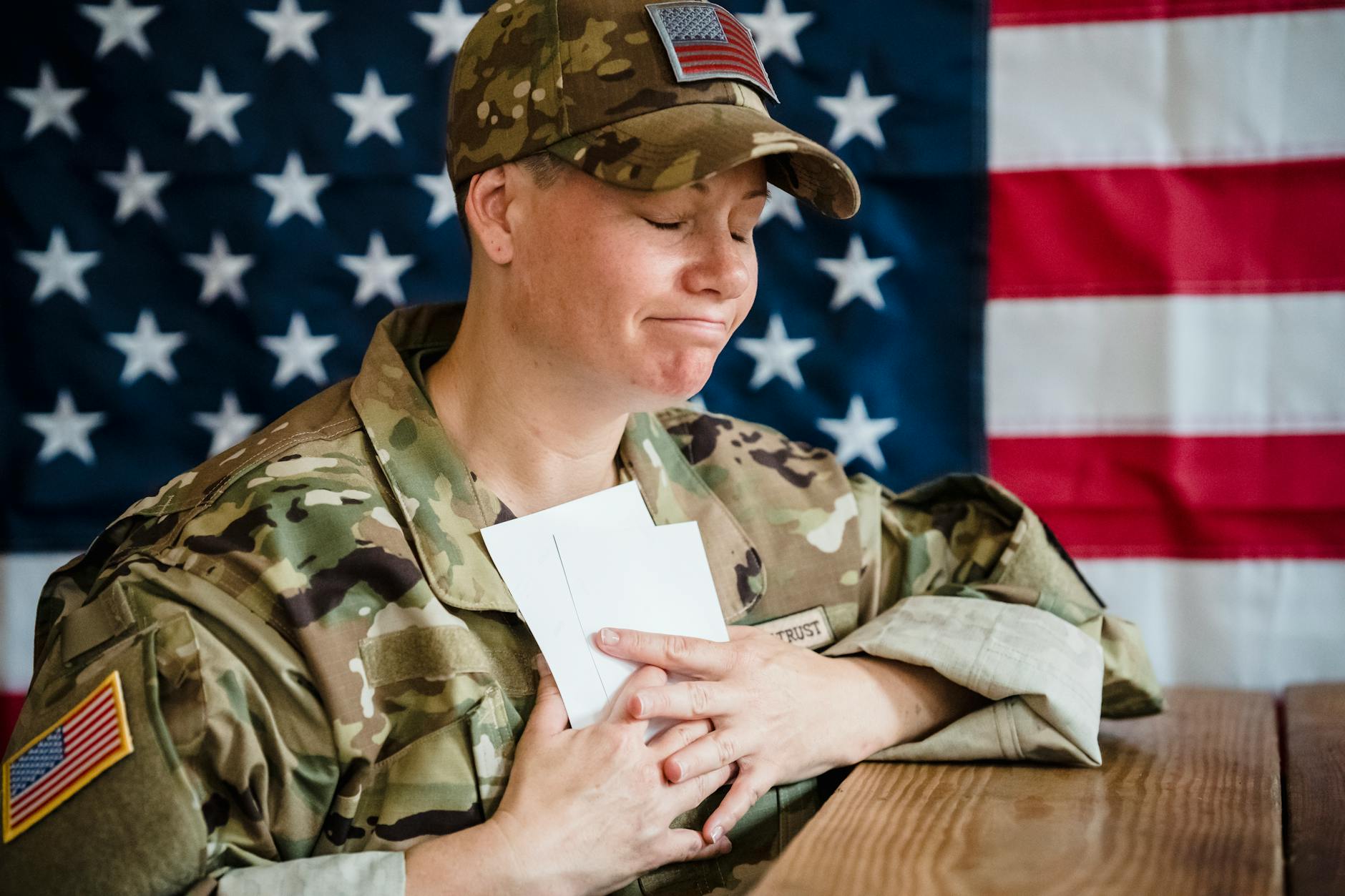
Researchers studying abortion access for active-duty military service members recruited just three participants over six months in 2024, down from 323 in a comparable 2019 study, a drop that made meaningful analysis impossible.
Caitlin Gerdts, vice president for research at the international nonprofit Ibis Reproductive Health, had planned a follow-up study to that 2019 work. The 2024 effort, conducted amid a changed legal environment following the Supreme Court’s overturning of federal abortion protections, stalled almost immediately. Her team published an analytical essay rather than a full study because the numbers simply weren’t there. “It makes sense that this is a particularly difficult moment,” Gerdts said.
The problem isn’t uniform across reproductive health research. Organizations that frequently work with civilian patients, including Advancing New Standards in Reproductive Health at the University of California, San Francisco, haven’t reported the same recruitment failures, according to New Hampshire Bulletin coverage of the issue. That gap points specifically to the military as the source of the difficulty.
Silence. That’s what researchers keep running into.
Three factors compound the problem. State abortion laws create chilling effects for service members who might otherwise talk to researchers. The U.S. Department of Defense under its current leadership has taken actions that researchers say discourage openness. And the military has its own longstanding culture of silence around reproductive health that predates the post-2022 legal landscape. The Department of Defense didn’t respond to requests for comment.
The scale of the population affected makes the data gap significant. As of 2021, more than 230,000 women held active-duty roles in the U.S. military, according to the Department of Defense, and 95% of them are of reproductive age, defined as between 18 and 44. A 2022 analysis by the RAND Corporation found that roughly 40% of women on active duty are stationed in states with severely limited or no abortion access. That group includes large military populations in Florida, Georgia, North Carolina and Texas, all states with restrictive laws on the books.
That’s a lot of women with no good options nearby.
Kristen Jozkowski, senior scientist at Indiana University’s Kinsey Institute, said the recruitment problem isn’t just a research inconvenience. It has real consequences for the people researchers can’t reach. “As a researcher and behavioral scientist, I think it is an issue when we cannot get access to any population, particularly ones who may be unique or at increased risk of something,” Jozkowski said. “It limits our ability” to help them.
The Dartmouth community has its own exposure to this issue. Geisel School of Medicine researchers work on reproductive health policy, and students who enter military service after Dartmouth, whether through ROTC or direct commission, could find themselves stationed in states where abortion access is effectively nonexistent. The barriers Gerdts and Jozkowski describe aren’t abstract to people who know classmates heading into active-duty roles in Georgia or Texas.
The recruitment collapse from 323 participants to three is a 99% drop. Researchers say the figure reflects something more than reluctance. Service members who might want to share their experiences appear to be actively avoiding participation, even when anonymity is guaranteed. Gerdts’ team couldn’t identify a single structural fix that would reverse that trend quickly given the current policy environment. What they can say is that the silence is getting louder, and the research needed to understand the problem and design responses is stalling as a result. Jozkowski put the stakes plainly: without data, the people most affected don’t get counted, and without being counted, they don’t get helped.
Written by
Dartmouth Independent StaffContributing writer at The Dartmouth Independent
View all articles →